The season builds from the first days of January and runs to the eve of Ash Wednesday, which is why the dates shift by several weeks from year to year. It ends at midnight on Shrove Tuesday with the burning of King Momo, a life-size effigy that takes the old year's troubles with him.
The two headline events are the Grand Parade in San Nicolas, traditionally on the Saturday, and the Grand Parade in Oranjestad on the Sunday before Ash Wednesday. Both are enormous: six or more hours of trucks, steel and brass, and costumes built over months out of feathers and sequins, some of them taller than the person carrying them.
For families, the better pick is usually a Children's Parade (Parada di Mucha), held in both Oranjestad and San Nicolas earlier in the season. Same costumes, same music, same energy, but shorter, in daylight, and full of other children. The Jouvert morning party, by contrast, starts in the dark before dawn and is not a kids' event.
Practical reality of standing at a parade with children: it is loud, it is long, and there is no shade. Bring folding chairs, water, sunscreen, and ear protection for anyone under about six. The sound systems on the trucks are genuinely punishing. Arrive early for a spot on the shaded side of the street, and be ready to leave when your kids are done rather than when the parade is.
Aruba's Carnival is one of the Caribbean's biggest parties. Dancers spend months building costumes of feathers and sequins taller than themselves!
Seasonal tile: Carnival season only.
More finds nearby
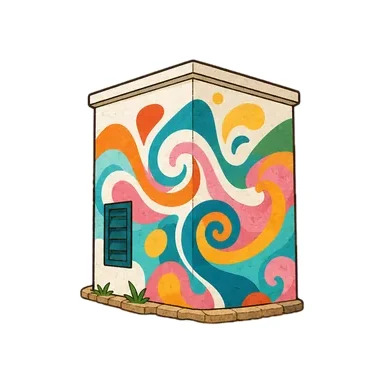 San Nicolas MuralsA whole town turned into a free, self-guided outdoor gallery.
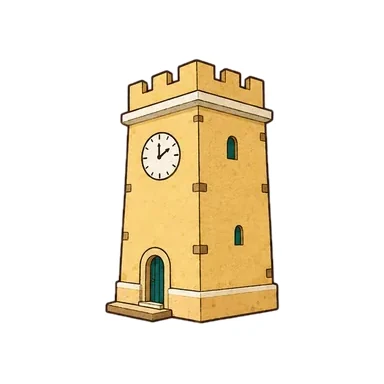 Fort Zoutman & Willem III TowerAruba's oldest building, a small museum, and a Tuesday-night folk festival.
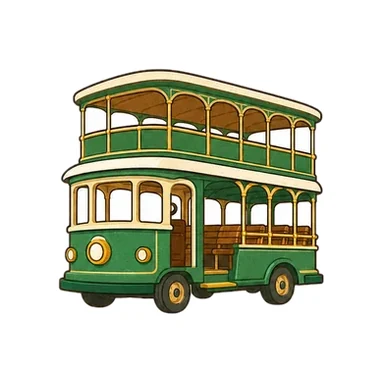 Oranjestad TrolleyA free open-top streetcar through downtown. Not on Sundays.
Turn the list into a treasure hunt
Buska gives kids 75 Aruban treasures to find and photograph (this one included) and turns the trip into a keepsake book. Free to start, no ads, private by default.