Aruba is small (about twenty miles end to end), which is the single best thing about it for a family. You can watch flamingos in the morning, climb a boulder field after lunch, and be back on a beach by four. These are the finds we think are genuinely worth your time, written for the parent doing the planning.
Aruba sits about eighteen miles (29 km) off the coast of Venezuela, outside the hurricane belt, which is why it is dry, sunny and reliably calm when the rest of the Caribbean is not. The west coast is the postcard: flat, white, shallow, sheltered. The north and east coasts are the opposite: raw limestone, huge surf, and nowhere you want a small child near the water. Knowing which coast you are on explains most of what a parent needs to know about safety here.
It is a Dutch island with its own language. Papiamento is a creole built from Portuguese, Spanish, Dutch, English and West African languages, and it is what people actually speak at home. Most Arubans move between four languages without thinking about it. Every find on this page comes with its Papiamento word, because handing a child three real words (bon bini, danki, ayΓ³) changes how they are treated by everyone they meet.
Distances are short and a rental car opens up almost everything. Arikok National Park covers close to a fifth of the island and holds the caves and the natural pool. The middle of the island has the boulder fields and the haystack hill. The southeast end has the calmest beach and the mural town. You can see a great deal of it in a week without ever rushing.
Planning the trip itself? Start with our Aruba with kids trip guides: is Aruba good for kids, free things to do, toddlers, cruise days, and rainy days.
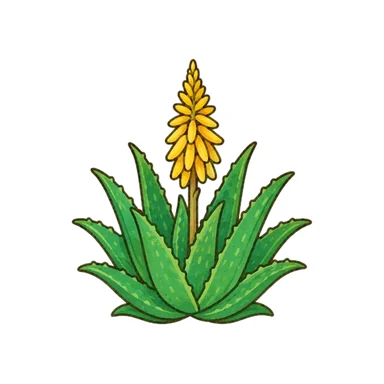
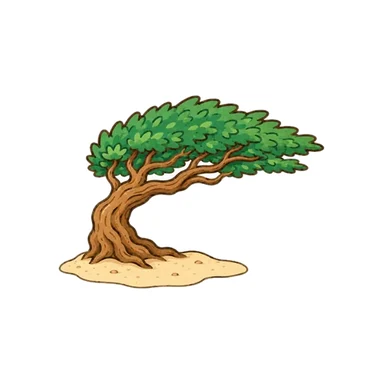
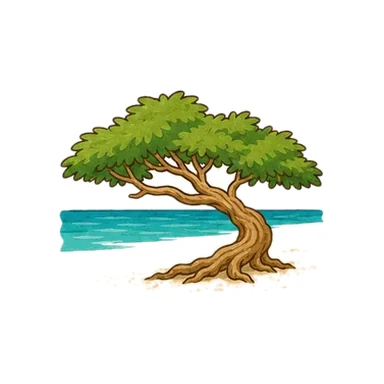
Aruba is a desert island with a Caribbean coastline, and its plants are the proof: cactus, aloe, and trees permanently bent by the wind.
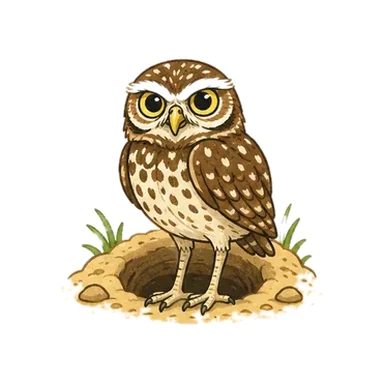
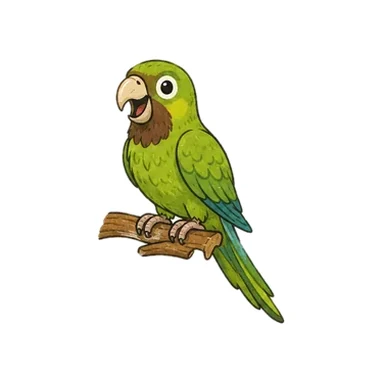
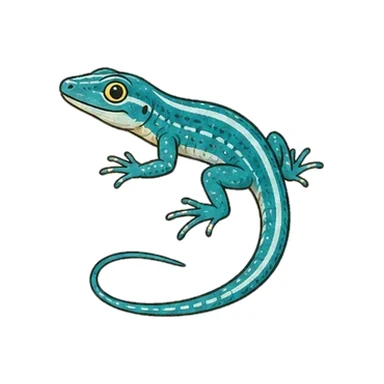
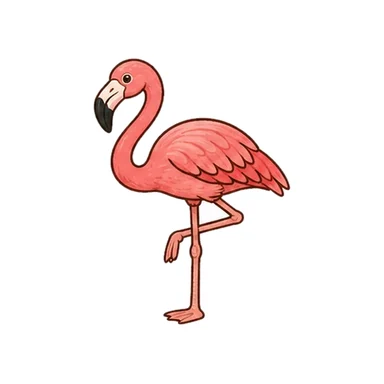
Flamingos, wild parakeets, an owl that lives underground, and a lizard found on this island and nowhere else.
Aruba's national symbol nests underground. A patient, genuinely rewarding hunt.
shoco
Wild parakeets you'll hear long before you see them. Best before breakfast.
prikichi
A turquoise lizard that lives on this island and nowhere else on Earth.
cododo
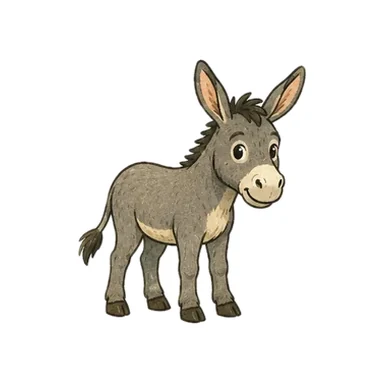
Free, hands-on, and the stop kids ask to repeat. Bring carrots.
burico
The famous flamingo beach, and the access rules nobody tells you in advance.
chogogo
Those roped-off squares hold a hundred eggs. What your family should do about it.
turtuga
Hand-feed the world's biggest bird on a guided farm tour.
Hundreds of butterflies flying free, and a ticket good for your whole stay.
barbulete
Two calm coves where kids can shore-snorkel with wild green turtles.
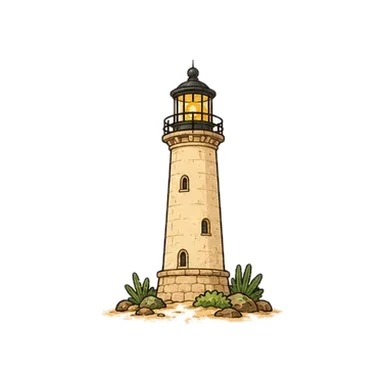
turtugaCaves, boulder fields, gold-mill ruins and a lighthouse, most of them free, and most of them a short drive from the hotels.
Sand dunes, a shipwreck story, and the island's classic sunset viewpoint.
faro
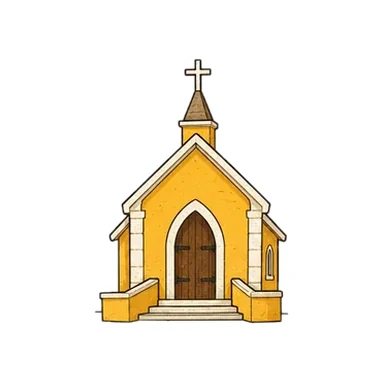
A tiny yellow chapel at the end of a road lined with white crosses.
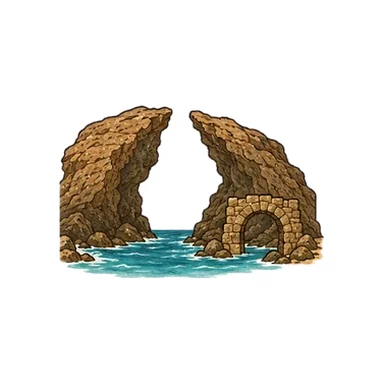
The famous arch fell in 2005. Here's what's actually there now.
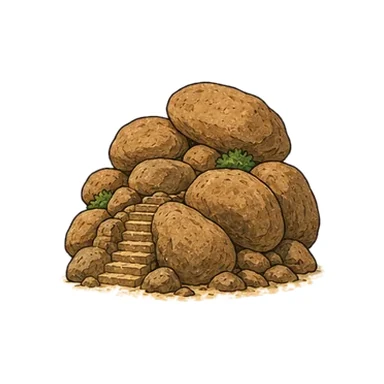
House-sized boulders with a staircase carved through the middle.
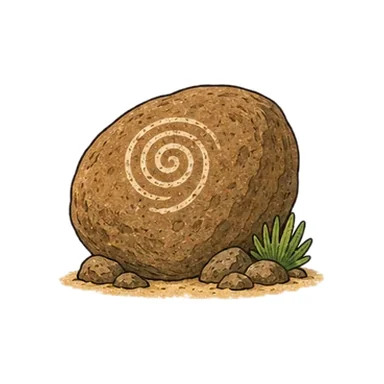
Quieter than Casibari, with rock drawings over a thousand years old.
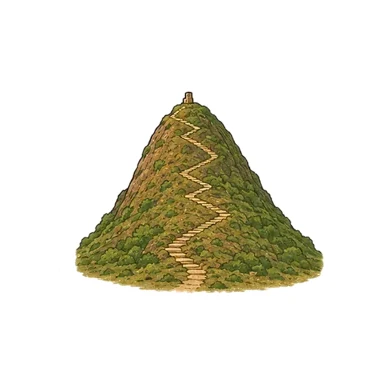
Roughly 560 steps to the top, and a view of another country.
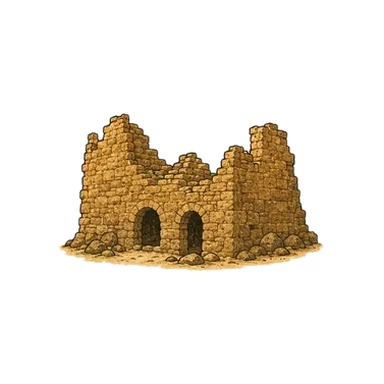
A ruined stone mill that looks like a castle, right on the surf line.
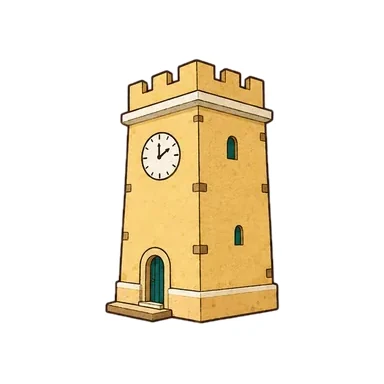
Aruba's oldest building, a small museum, and a Tuesday-night folk festival.
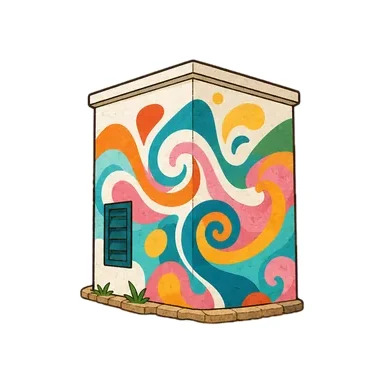
A whole town turned into a free, self-guided outdoor gallery.
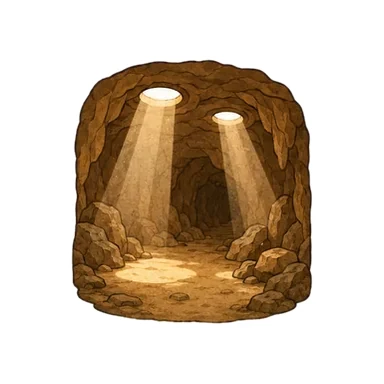
A cave with skylights, bats deeper in, and a legend kids repeat for weeks.
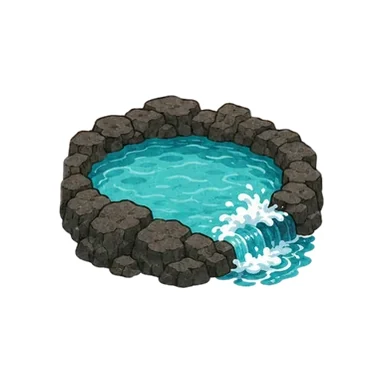
The best swim on the island, and the hardest to reach. An honest look.
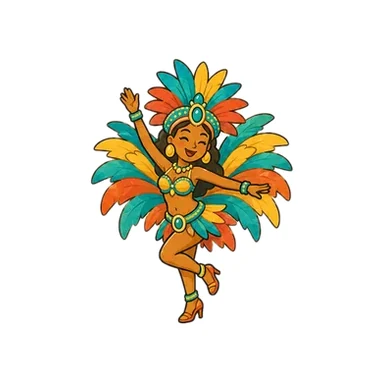
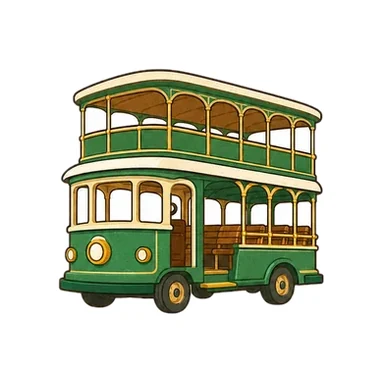
Carnival, a free streetcar, a fort built to fight pirates: the parts of Aruba that have nothing to do with the beach.
Five dishes worth ordering, chosen for the fact that children actually eat them.
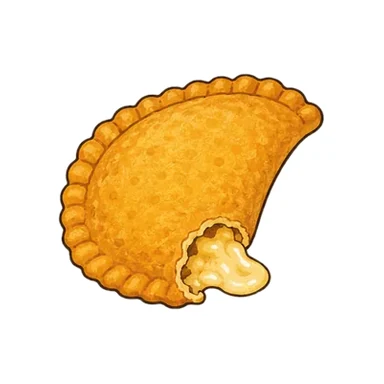
The fried cheese turnover Aruba eats for breakfast. Buy it before ten.
pastechi
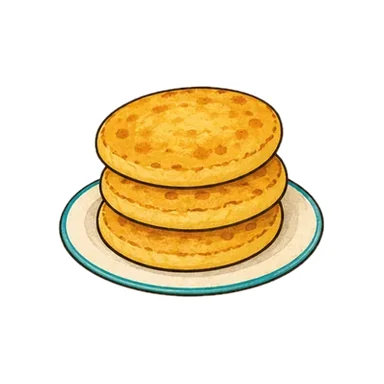
"Beaten bread": the pancake-shaped side dish for a cautious eater.
pan bati
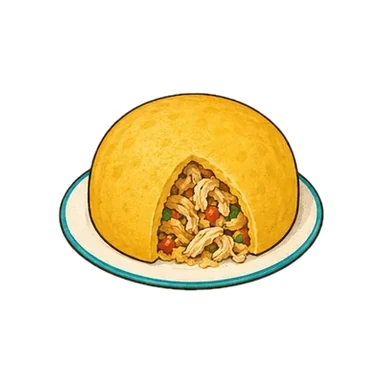
The national dish: spiced chicken baked inside a wheel of gouda.
keshi yena
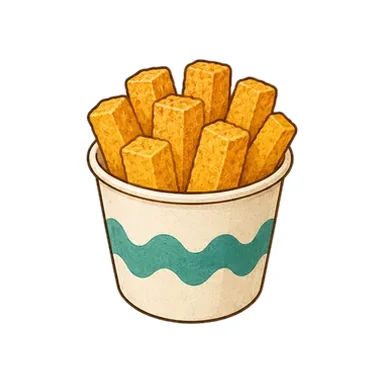
Cornmeal, cut into fries and covered in cheese. The easiest local order there is.
funchi
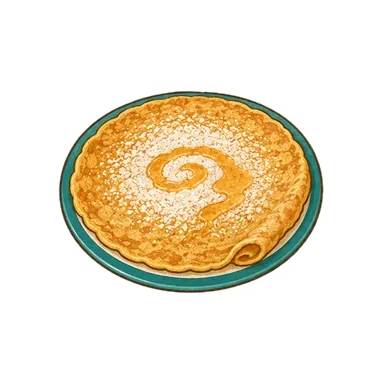
The pannenkoek: bigger than the plate, thin like paper, sweet or savory.
pannenkoekWhich beach suits which age, where the calm water is, and where the current isn't.
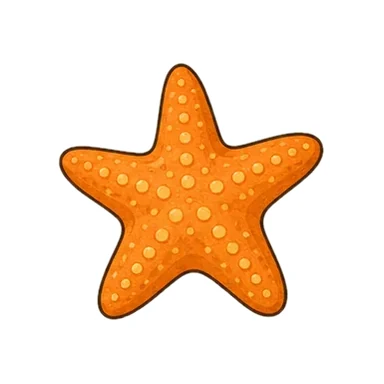
Dinner-plate sea stars in standing-depth water, and the one rule that matters.
strea di laman
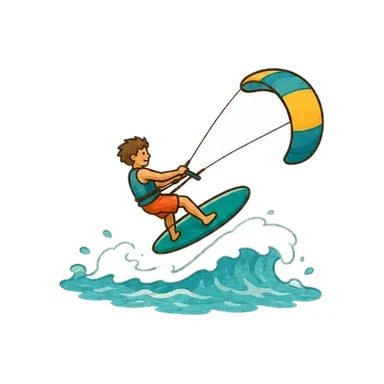
Thirty kites in the sky at once, from a beach where kids can paddle.
Wide, white, calm and shallow: the best all-round family beach on Aruba.
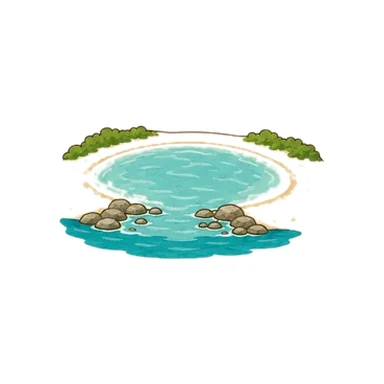
A half-moon lagoon that stays waist-deep for a very long way out.
Almost every find on this page is looked after by someone: a national park, a foundation, a family business. If you are planning specific days, these are the sources worth checking directly for hours, prices, and closures. We link them because they are right, not because they pay us.
The protected fifth of the island: caves, the natural pool, trails, and admission details.
Walk-through butterfly garden at Palm Beach; tickets are valid for repeat visits.
Free, volunteer-run home for the island's rescued donkeys.
Guided tours, hand-feeding, and a restaurant on the way to the north coast.
Free factory and museum tour in Hato, and the plant that gave the island its old nickname.
The volunteers who mark, monitor and protect every sea turtle nest on the island.
The event that turned San Nicolas into an open-air mural gallery.
A proper introduction to the island's own language, with more words than we could fit here.
Buska turns all 75 Aruban treasures into a real-world treasure hunt kids play at their own pace: spot it, photograph it, collect it, and turn the whole trip into a keepsake book. Free to start, no ads, private by default.