Gold was found on Aruba in 1824 (island lore credits a boy out herding sheep) and it set off a rush that lasted the better part of a century. This mill was built in the 1870s by the Aruba Island Gold Mining Company to crush and smelt ore hauled from the surrounding hills. It ran for about a decade before the operation moved on.
What is left is a genuinely atmospheric ruin: open archways, staircases, and window frames you can walk through, with the Atlantic exploding on the rocks a short distance away. It photographs beautifully and it is completely free.
One story has it that Aruba's name comes from oro ruba, "red gold." It is a fun theory and a contested one; other explanations trace the name to the island's Caquetio inhabitants. Presenting it to your kids as an open question is more interesting than presenting it as a fact.
The structure is unmaintained. Climbing on the walls is discouraged for good reason: loose stone, no railings, and a drop onto rock. Photograph it from ground level, and keep everyone back from the surf line, which is powerful here.
Gold was found on Aruba in 1824, and this stone fortress crushed and melted it in the 1870s. Aruba's name may even come from 'oro ruba', red gold.
Photograph from ground level; climbing is discouraged.
More finds nearby
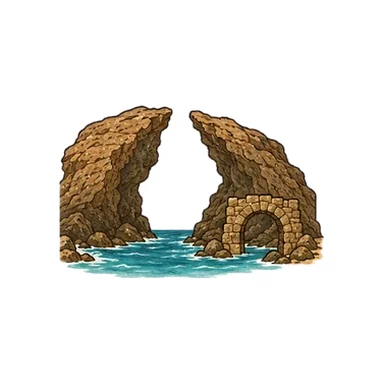 Natural Bridge Ruins & Baby BridgeThe famous arch fell in 2005. Here's what's actually there now.
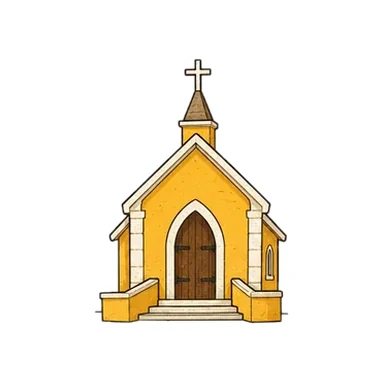 Alto Vista ChapelA tiny yellow chapel at the end of a road lined with white crosses.
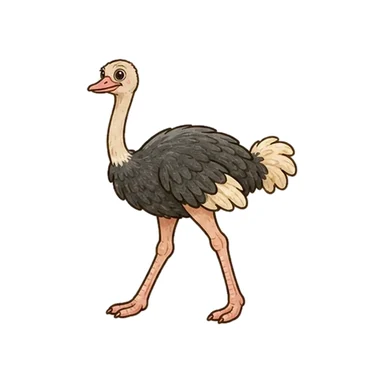 Aruba Ostrich FarmHand-feed the world's biggest bird on a guided farm tour.
Turn the list into a treasure hunt
Buska gives kids 75 Aruban treasures to find and photograph (this one included) and turns the trip into a keepsake book. Free to start, no ads, private by default.