Donkeys arrived with the Spanish around five hundred years ago and became the island's entire transport system: they hauled water, carried people, worked the aloe fields and the gold mills. Cars ended that job in the twentieth century, and the animals were simply released. Their descendants lived wild on the island, and got hit by cars, and went hungry in droughts.
The sanctuary took that problem on. It is run largely by volunteers, funded by donations, and it takes in injured, orphaned, and elderly donkeys. Entry is free. You can buy a bag of feed or carrots at the desk, and that is where the visit really begins, because a donkey that has spotted a bag of carrots will follow a six-year-old with total commitment.
Allow an hour. There is shade, a small shop, and drinks. It is dusty, so not the morning for white shoes. The lesson lands on its own: these are working animals the island stopped needing, and someone decided that was not the end of the story.
Donkeys were Aruba's taxis for 400 years, carrying people and water. Today many live at a sanctuary you can visit, where they love a good ear scratch.
A donkey is a burico in Papiamento. Older Arubans still use donkey sayings the way English uses horse ones.
Sanctuary entry is free (donations welcome).
More finds nearby
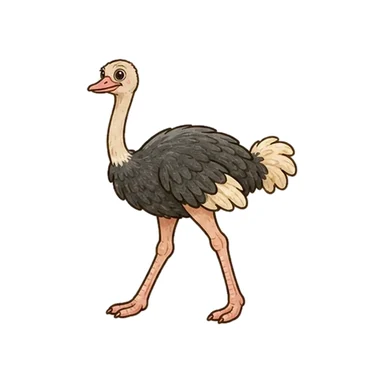 Aruba Ostrich FarmHand-feed the world's biggest bird on a guided farm tour.
 Conchi Natural PoolThe best swim on the island, and the hardest to reach. An honest look.
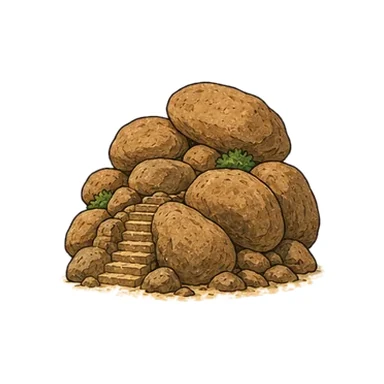 Casibari Rock FormationsHouse-sized boulders with a staircase carved through the middle.
Turn the list into a treasure hunt
Buska gives kids 75 Aruban treasures to find and photograph (this one included) and turns the trip into a keepsake book. Free to start, no ads, private by default.