Aruba's first inhabitants were the Caquetio, an Arawak people. At Ayo they left petroglyphs: reddish figures and symbols painted and pecked onto sheltered rock faces, generally reckoned to be over a thousand years old. Standing in front of them is a very different experience from reading about them, and it is the single best history lesson available to a child on this island.
The site itself is a scatter of huge boulders with shaded paths winding between and under them, a small covered viewing area at the art, and some low scrambling. It is flatter and gentler than Casibari, with more shade and fewer people. Both together make a comfortable half-morning.
Do not touch the rock art, and make sure your kids understand why before you get there: the oils on human skin degrade the pigment, and a thousand years of survival can be undone by a few thousand curious hands. Point, photograph, and stand back.
Aruba's first people, the Caquetio, left rock drawings here over 1,000 years ago. These boulders were their gathering place and art gallery.
Don't touch the ancient rock art.
More finds nearby
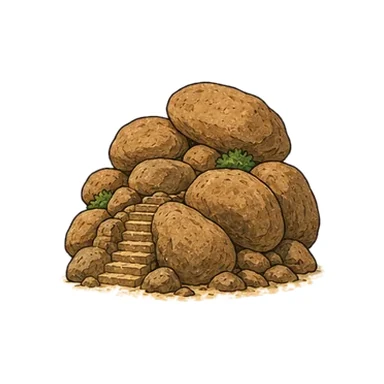 Casibari Rock FormationsHouse-sized boulders with a staircase carved through the middle.
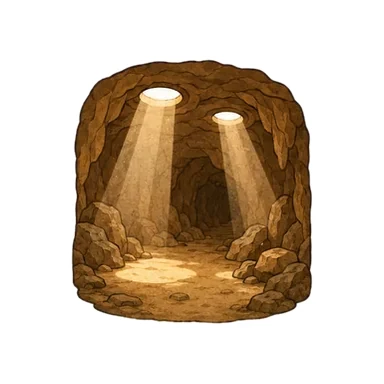 Quadirikiri CaveA cave with skylights, bats deeper in, and a legend kids repeat for weeks.
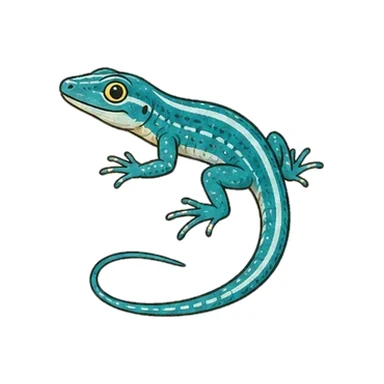 Blue Whiptail Lizard (Cododo)A turquoise lizard that lives on this island and nowhere else on Earth.
Turn the list into a treasure hunt
Buska gives kids 75 Aruban treasures to find and photograph (this one included) and turns the trip into a keepsake book. Free to start, no ads, private by default.