Endemic is an abstract word until a child is standing over a lizard that lives in exactly one place in the world. The males are the show: a shimmering turquoise-blue along the flanks and tail that looks genuinely improbable in bright sun. Females and young ones are browner, with pale stripes running down the back.
Unlike a lot of reptiles, whiptails are busiest in the heat of the day, which happens to be when your family is out. They are fast, twitchy, constantly foraging, and completely used to people. Look on and around the boulders at Casibari and Ayo, on rocky ground anywhere in the cunucu, in Arikok, and around hotel gardens and restaurant terraces.
They will come surprisingly close if you sit still, close enough for a phone photo, which is the whole point of the exercise. What they should not get is food. A lizard that learns to beg loses the behavior that keeps it alive.
This little lizard lives only on Aruba, nowhere else on Earth. The males shimmer turquoise blue, like they're wearing the sea on their skin.
Cododo is Papiamento for "blue lizard." Cododo is the general word for a small lizard, so it also works for the plain brown ones on your balcony railing.
More finds nearby
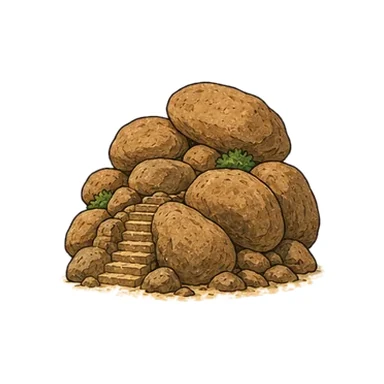 Casibari Rock FormationsHouse-sized boulders with a staircase carved through the middle.
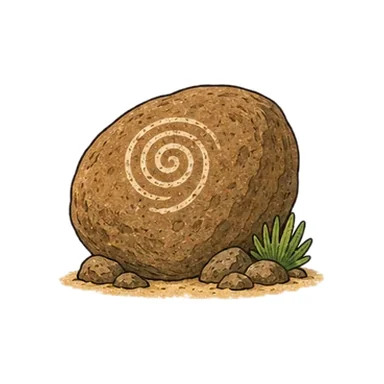 Ayo Rock FormationsQuieter than Casibari, with rock drawings over a thousand years old.
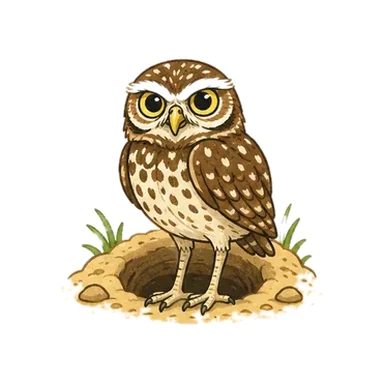 Shoco (Burrowing Owl)Aruba's national symbol nests underground. A patient, genuinely rewarding hunt.
Turn the list into a treasure hunt
Buska gives kids 75 Aruban treasures to find and photograph (this one included) and turns the trip into a keepsake book. Free to start, no ads, private by default.