The sand is the first thing you notice: an enormous, flat, powder-white expanse. This is the widest beach on Aruba by a distance. That width means space, and space means your family is not negotiating a towel position with strangers. It is crushed coral and shell rather than dark volcanic sand, so it stays walkable underfoot far longer into the day than most beaches.
The water is calm, shallow, and clear a long way out, and it shelves gently. For a child who is still learning to swim, that combination is the whole ballgame. This is the low-rise side of the hotel strip, so the buildings behind are small and the beach feels open rather than walled in.
Shade is the honest weakness. The palapas belong mostly to the hotels, the public ones go early, and there is very little natural shade. Bring an umbrella or claim a spot before nine. Parking is free along J.E. Irausquin Boulevard and there are marked beach access points; there are food trucks and casual restaurants across the road.
From roughly March into November, expect to see roped-off squares on the sand: those are sea turtle nests, and they are protected by law. Walk around them, keep your distance, and fill in any holes your kids dig before you leave for the day.
The famous leaning fofoti trees stand on this beach, the ones from every photograph of Aruba you have ever seen.
Regularly ranked among the best beaches in the whole world, with Aruba's widest stretch of powder-white sand and the famous fofoti trees.
More finds nearby
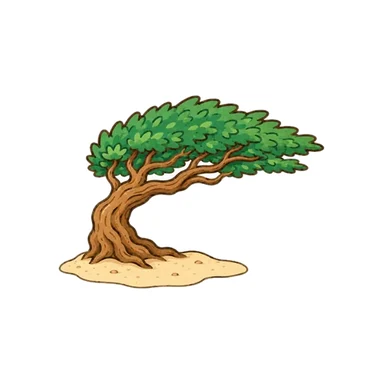 Fofoti Tree (Aruba's Leaning Tree)The wind-bent trees from every Aruba postcard, and the name almost everyone gets wrong.
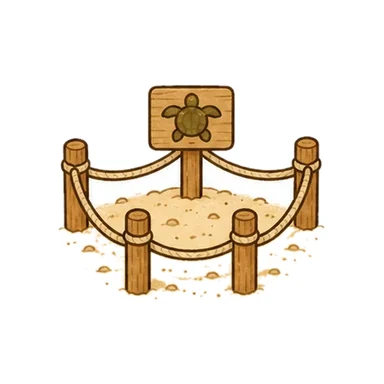 Sea Turtle NestsThose roped-off squares hold a hundred eggs. What your family should do about it.
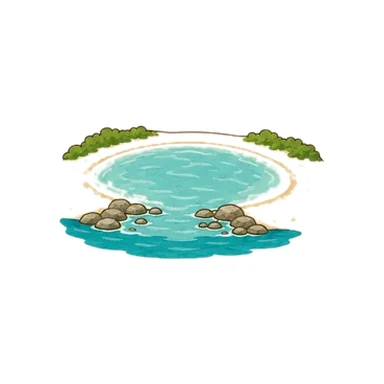 Baby BeachA half-moon lagoon that stays waist-deep for a very long way out.
Turn the list into a treasure hunt
Buska gives kids 75 Aruban treasures to find and photograph (this one included) and turns the trip into a keepsake book. Free to start, no ads, private by default.