The name means "beaten bread", from the way the batter is beaten before it hits the griddle. It is made from cornmeal and flour, lightly sweetened, and cooked into a flat round about the size of a side plate. It comes out somewhere between a pancake and a soft flatbread: slightly sweet, slightly chewy, faintly corny.
Arubans eat it as a side, not a dessert. It arrives alongside stoba (a slow-cooked stew), fried fish, or keshi yena, and it is used the way you would use bread: to mop up sauce. Order it that way and it does two jobs at once: it is a familiar-looking thing on a child's plate, and it is a legitimate way into the rest of the meal.
You will find it at local restaurants across the island rather than at resort buffets. If a menu offers pan bati as a side, take it. It is a better decision than the fries and the kitchen will approve.
Aruba's 'beaten bread', a slightly sweet cornmeal pancake that goes with everything. Its name literally means beaten, from how the batter is made.
Pan bati is literally "bread beaten." Pan is bread and bati is beaten, a two-word Papiamento lesson that comes with lunch.
More finds nearby
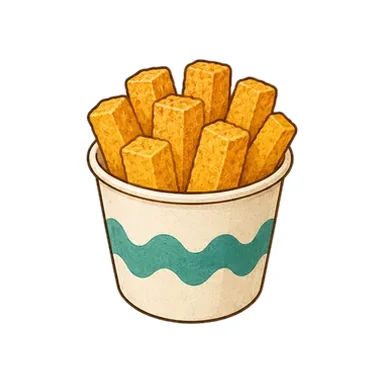 FunchiCornmeal, cut into fries and covered in cheese. The easiest local order there is.
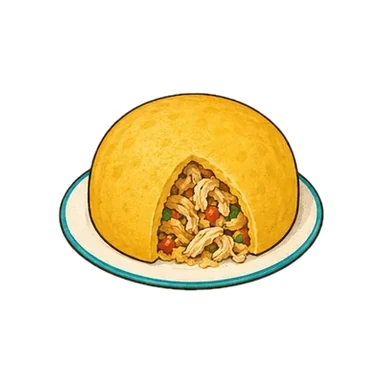 Keshi YenaThe national dish: spiced chicken baked inside a wheel of gouda.
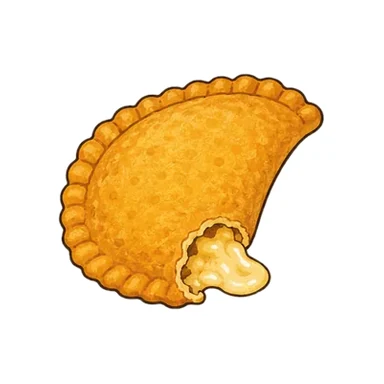 PastechiThe fried cheese turnover Aruba eats for breakfast. Buy it before ten.
Turn the list into a treasure hunt
Buska gives kids 75 Aruban treasures to find and photograph (this one included) and turns the trip into a keepsake book. Free to start, no ads, private by default.