The classic filling is keshi (gouda) and it is the one to order for a child, because it tastes like a very good cheese pastry and nothing else. Adults tend to move on to the chicken, beef, tuna, or ham-and-cheese versions. Hot sauce (pica) comes on the side, not inside, so it is easy to keep the kids' order plain.
Where to buy them matters more than what to order. Pastechi come from bakeries, small snack windows, and roadside trucks, and they are made in the morning to be eaten in the morning. By late morning the good ones are gone. A hotel buffet pastechi is not the same thing.
Pronunciation, for the ordering: pas-TEH-chee. If a child can say it, the person behind the counter will notice, and that small exchange is often the moment a kid decides they like a place. It is close kin to the empanada, and if your family already knows empanadas the comparison lands instantly.
This is also the cheapest meal on the island. Two pastechi and a juice is a breakfast for the price of a hotel coffee.
Aruba's favorite snack: a golden fried pastry stuffed with cheese or meat. Locals eat them for breakfast; you're allowed to eat them anytime.
Pastechi is the Papiamento word and the only one anyone uses. Keshi means cheese. You will meet it again in keshi yena.
More finds nearby
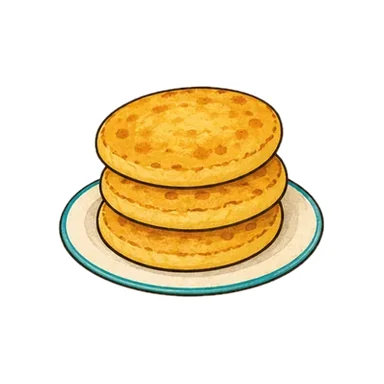 Pan Bati"Beaten bread": the pancake-shaped side dish for a cautious eater.
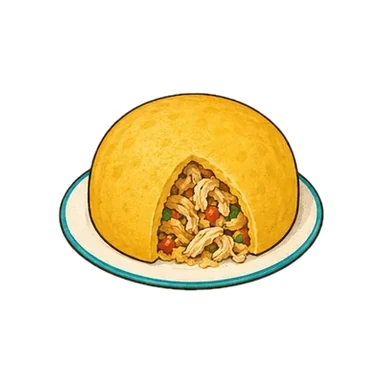 Keshi YenaThe national dish: spiced chicken baked inside a wheel of gouda.
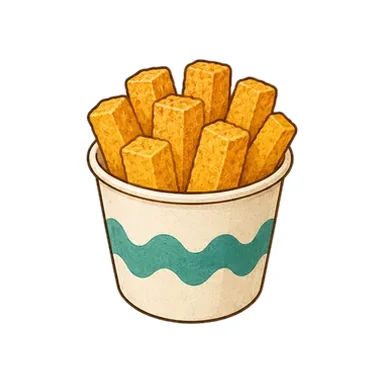 FunchiCornmeal, cut into fries and covered in cheese. The easiest local order there is.
Turn the list into a treasure hunt
Buska gives kids 75 Aruban treasures to find and photograph (this one included) and turns the trip into a keepsake book. Free to start, no ads, private by default.