For most of the nineteenth and twentieth centuries Aruba was known as the Island of Aloes, and for a stretch it supplied a very large share of the world's aloe. The plant grew where almost nothing else would: thin soil, no rain, relentless sun. It is stitched into the island's identity closely enough that an aloe plant appears on Aruba's coat of arms.
The factory and museum sit together in Hato, a few minutes' drive from Oranjestad. The guided tour is free, runs frequently through the day, takes roughly twenty-five minutes, and is offered in English, Dutch, Spanish, and Papiamento. You start out beside the aloe field, watch how a leaf is cut and filleted, walk through a short film and a room of vintage packaging, and finish (inevitably) in the shop.
The kid-facing hook is simple and physical: they get to see the clear gel inside a cut leaf, and they will almost certainly need it later in the week. Sunburn is the one souvenir every family brings home from Aruba, and a bottle bought here has a story attached to it.
Aruba was once called the Island of Aloes and supplied most of the world's aloe. The gel inside its leaves soothes sunburn, so it's a beach vacation hero.
Aloe in Papiamento is sentebibu, literally something like "feel alive." Say it out loud once and your kids will remember it longer than the English word.
Museum and factory tour is free.
More finds nearby
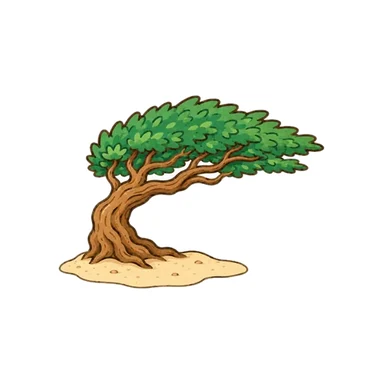 Fofoti Tree (Aruba's Leaning Tree)The wind-bent trees from every Aruba postcard, and the name almost everyone gets wrong.
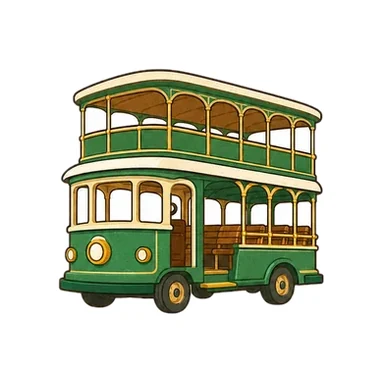 Oranjestad TrolleyA free open-top streetcar through downtown. Not on Sundays.
 PastechiThe fried cheese turnover Aruba eats for breakfast. Buy it before ten.
Turn the list into a treasure hunt
Buska gives kids 75 Aruban treasures to find and photograph (this one included) and turns the trip into a keepsake book. Free to start, no ads, private by default.