Explain it to your kids this way: an American pancake is a small, thick stack; a Dutch pannenkoek is one enormous, thin pancake that covers the whole plate, and you get it all to yourself. The reaction when one arrives at the table is reliably the best free entertainment on the island.
The classic orders are the ones to trust. Sweet: dusted with powdered sugar and ribboned with stroop, the Dutch pancake syrup, or topped with apple or banana. Savory: baked with cheese, ham, or bacon right into the batter. A plain one with sugar is the cautious-eater order that has never once failed.
You'll find them at the pancake restaurants in and around Oranjestad and on the resort strips, places whose whole menu is variations on the pannenkoek, which tells you how seriously the Dutch take this. Portions are genuinely large; younger kids can happily split one.
It's also a cultural find in disguise. The Netherlands is why Aruba's houses have gables, why gouda shows up in everything from pastechi to keshi yena, and why your child is eating a pancake the size of a hubcap in the Caribbean. One lunch, one small history lesson, no lecture required.
A pannenkoek is as big as the plate and thin like paper, served sweet or savory. It's Dutch tradition with a Caribbean view.
Pannenkoek (PAH-nen-kook) is the Dutch word. Dutch is one of Aruba's official languages, alongside Papiamento. The plural, for when one is not enough: pannenkoeken.
More finds nearby
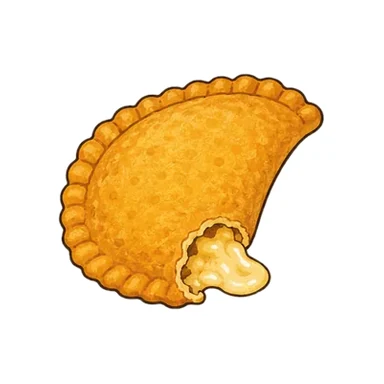 PastechiThe fried cheese turnover Aruba eats for breakfast. Buy it before ten.
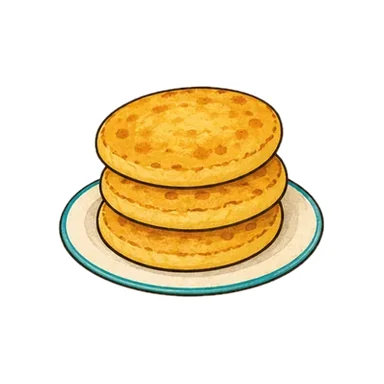 Pan Bati"Beaten bread": the pancake-shaped side dish for a cautious eater.
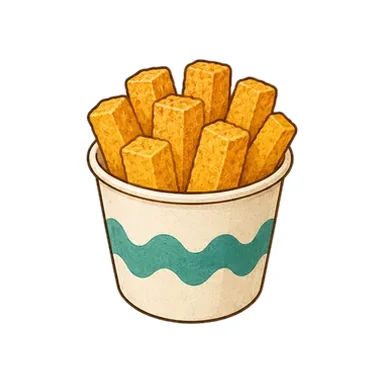 FunchiCornmeal, cut into fries and covered in cheese. The easiest local order there is.
Turn the list into a treasure hunt
Buska gives kids 75 Aruban treasures to find and photograph (this one included) and turns the trip into a keepsake book. Free to start, no ads, private by default.