Why it works
The water is calm where you are. The entire west coast, where every hotel sits, faces away from the wind. Eagle Beach and Palm Beach are pool-gentle most mornings, and Baby Beach is a wading lagoon. The rough water exists, but it is all on the north coast where nobody swims.
The weather is nearly guaranteed. Aruba sits outside the hurricane belt, gets about 16 inches of rain a year, and holds steady around 82 to 88°F. It is the closest thing the Caribbean has to a sure bet, which matters when the flights cost what they cost.
It is easy in the boring, important ways. English is spoken everywhere alongside Dutch and Papiamento. Tap water is excellent. US dollars work. Plugs are American. Crime against tourists is low. Flights from the US East Coast run about four hours, and on the way home you clear US customs in Aruba itself, so you land at home as a domestic arrival with a tired kid instead of standing in a line.
Nothing is far. The drivable island is small: beach to lighthouse to rock formations to dinner, all inside 20 minutes each. With kids, short transfers are the whole vacation.
The honest caveats
The sun cheats. The constant trade wind makes 88°F feel like 78°F while your children quietly toast. Sunburn is the number one way Aruba goes wrong for families. Rash guards and relentless reapplication.
It is not cheap. Nearly everything except the aloe is imported, and restaurant prices show it. The counterweight: an unusual number of the best kid activities are free (we keep a whole list).
It is a desert. Cactus and wind-bent fofoti trees, not jungle and waterfalls. Kids tend to love that it looks like a western movie with beaches; adults expecting lush green should know in advance.
The north coast is look, don't swim. The Natural Pool and the wild coast are spectacular with bigger kids and a guide, and genuinely dangerous water otherwise.
Aruba calls itself One Happy Island, and it is on the license plates. Count how many you can spot on the drive from the airport.
By age, in one paragraph each
Under 5: Baby Beach, the Butterfly Farm, short drives, early dinners. Aruba is arguably at its best here; we wrote a separate toddler guide.
Ages 5 to 12: the sweet spot. Rock scrambles at Casibari, snorkeling with sea turtles, caves, ruins, flamingos, and enough legend and pirate history to fuel a week of questions. This is also exactly the age Buska was built for.
Teens: kitesurf lessons, sunset spots, and, in our experience, a suspicious level of investment in beating their younger siblings at a treasure hunt they claimed was for little kids.
Treasures mentioned in this guide
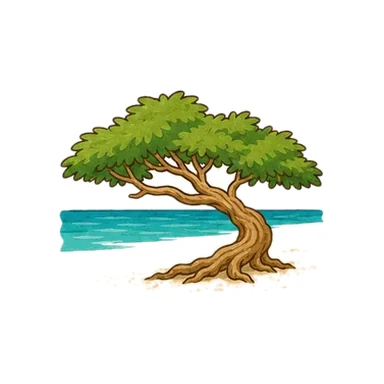 Eagle BeachCalm, wide, and repeatedly ranked among the world's best.
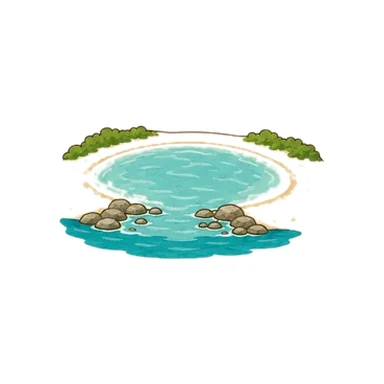 Baby BeachThe shallow lagoon at the island's southern tip.
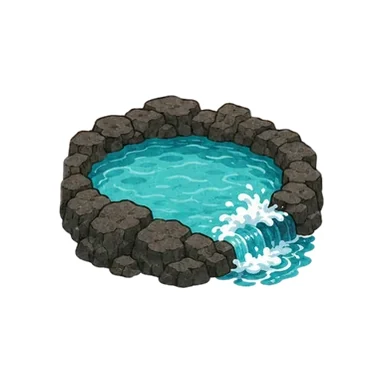 Natural PoolWild north coast: spectacular with bigger kids.
Decided? Make it a treasure hunt
Buska gives kids 75 real Aruban treasures to find and photograph, indoors and out, and turns the trip into a keepsake book. Free to start, no ads, private by default.